
Chesterfield, Derbyshire
Plastering & Rendering in Chesterfield, Derbyshire
G Lee Plastering has been on the tools in and around Chesterfield for over 30 years. We are based in Old Whittington, S41 9PN, and cover internal plastering, skimming, external rendering, lime plastering and damp proofing for homes and businesses across the town and the surrounding villages.
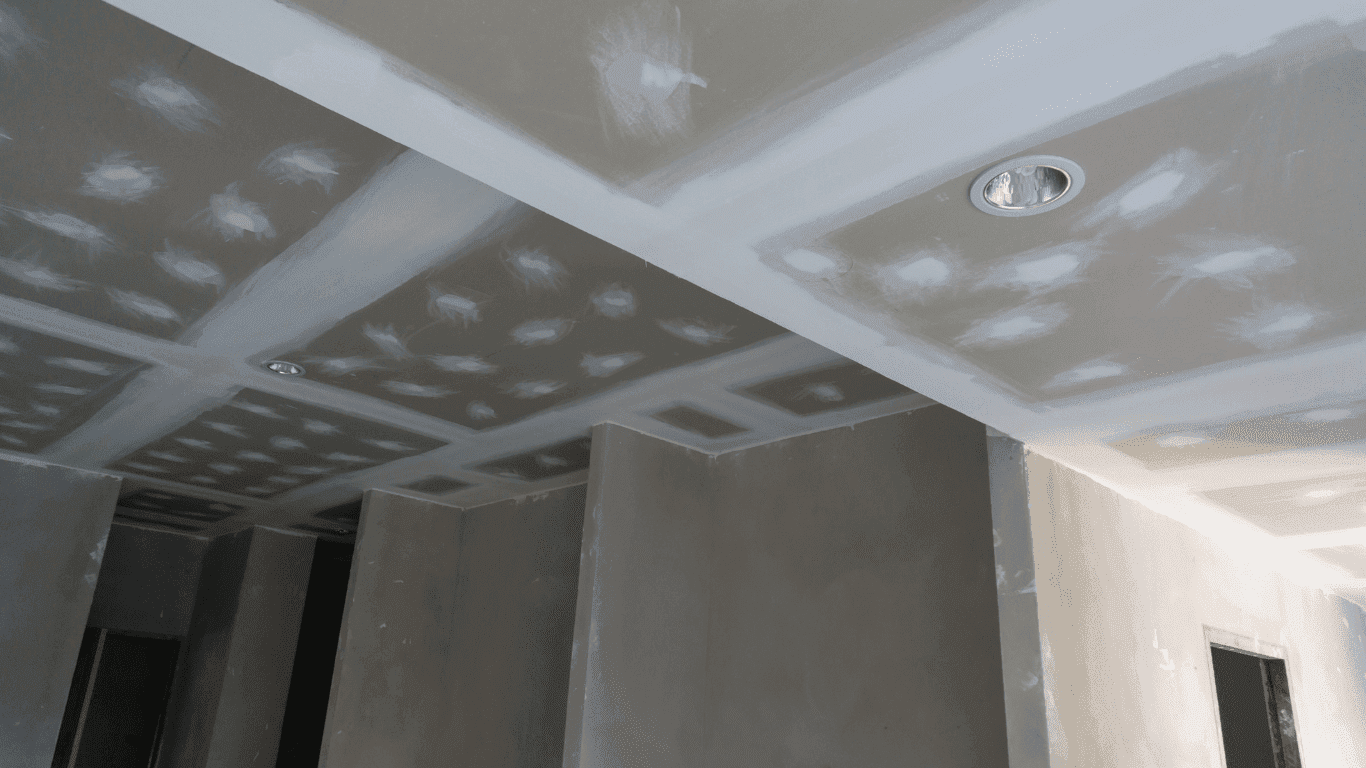
Whether you need one wall skimmed after a repair, a full room replastered, an exterior wall rendered ahead of winter, or a damp problem sorted properly before any new plaster goes on, we handle it as a local plasterer who knows Chesterfield's housing stock, from Victorian terraces near the town centre to 1930s semis in Newbold and newer estates further out. See what customers say about us on Google Reviews.
How We Work
Our Process for a Chesterfield Plastering Job
01
Free survey and quote
We visit the property, look at the walls, ceilings or render in question, and check for anything hiding underneath, damp, hairline cracks, old blown plaster or a badly keyed surface. You get a straight, free, no-obligation quote, usually the same day.
02
Protect and prepare
Floors, furniture and fittings are covered before a trowel goes near a wall. Any loose, cracked or blown plaster is stripped back to a sound surface, and if damp is present we treat the cause first rather than plastering straight over it.
03
Backing coat or key coat
For a full replaster we build a true, flat base with a backing (browning) coat before the finish goes on. This two-coat approach is what stops walls looking wavy under paint or light. For a skim-only job, we key the existing surface so the new coat bonds properly.
04
Skim or render finish
Internally, that means a smooth, hand-trowelled skim finish ready for decorating. Externally, it means choosing the right render system for the wall, traditional sand and cement, monocouche, silicone or acrylic through-colour, pebble-dash or Tyrolean, based on the substrate and how exposed the elevation is to Derbyshire's weather.
05
Correct drying and setting time
Plaster and render both need time to set and dry properly before they are painted, decorated or exposed to the elements. We tell you realistic drying times for your job rather than a generic figure, because it depends on the coat thickness, the room and the time of year.
06
Snagging and clean-up
A final check for edges, corners and finish, then dust sheets and debris come out with us. We leave the room, or the outside of your house, ready for you to get on with painting or your next trade.
Quick answer
How long does plaster take to dry before I can paint it?
As a general guide, fresh plaster needs about a week per coat of thickness to fully dry before it can be painted with a standard emulsion, though this varies with room temperature, ventilation and the time of year. We give you a realistic drying time for your specific job rather than a generic figure.
What We Use
Plaster & Render Systems We Work With
The right material depends on the wall, not just the finish you want. Here is how we choose for jobs across Chesterfield and the surrounding area.
Two-coat plastering system
A browning (backing) coat followed by a skim finish. This is the standard for a full replaster because it builds a genuinely flat surface rather than following the lumps and bumps of the wall underneath.
Skim-only finishing
Applied straight over sound plasterboard or existing plaster in good condition. Quicker and less disruptive than a full replaster, and the right call when the wall underneath is structurally fine but tired-looking.
Lime plaster and lime render
Chesterfield has a lot of older housing stock, Victorian terraces, stone-built cottages, listed buildings around the town centre and villages like Old Whittington. Solid walls in these properties need to breathe. Lime plaster and lime render let moisture move through the wall instead of trapping it behind a hard, modern cement finish, which is often what causes damp and blown plaster in period property in the first place.
Weatherproof render systems
For exteriors we work with traditional sand and cement render, thin-coat monocouche systems, and silicone or acrylic through-colour renders, plus pebble-dash and Tyrolean finishes where that matches the existing property. Derbyshire's exposed hillside sites and driving rain call for a render system matched to the elevation, not a one-size-fits-all approach.
Damp proofing materials
Damp proof membranes, salt-neutralising renders, chemical DPC injection and cellar tanking, chosen based on whether we are dealing with rising damp, penetrating damp or condensation. We treat the cause before any new plaster goes anywhere near the wall.
Quick answer
What is the difference between skimming and a full replaster?
Skimming applies a fresh finish coat over plasterboard or existing plaster that is structurally sound. A full replaster strips out damaged plaster and rebuilds the wall with a backing coat plus a skim finish. If the wall sounds hollow when tapped, or is cracked, damp or bulging, it needs a full replaster, not a skim.
Quick answer
Can render be applied in winter or wet weather in Derbyshire?
Render needs a minimum temperature to cure and should not go on in frost, driving rain, or with an overnight frost due before it has set. In Derbyshire that makes external rendering largely a spring-through-autumn job, though short mild dry spells can work for smaller areas. We check the forecast before booking exterior work in.
Ready to Get Your Quote?
Tell us about your plastering, rendering or damp proofing job in Chesterfield and we'll get back to you with a free, no-obligation quote.
Recent Work
The Kind of Jobs We Take On in Chesterfield
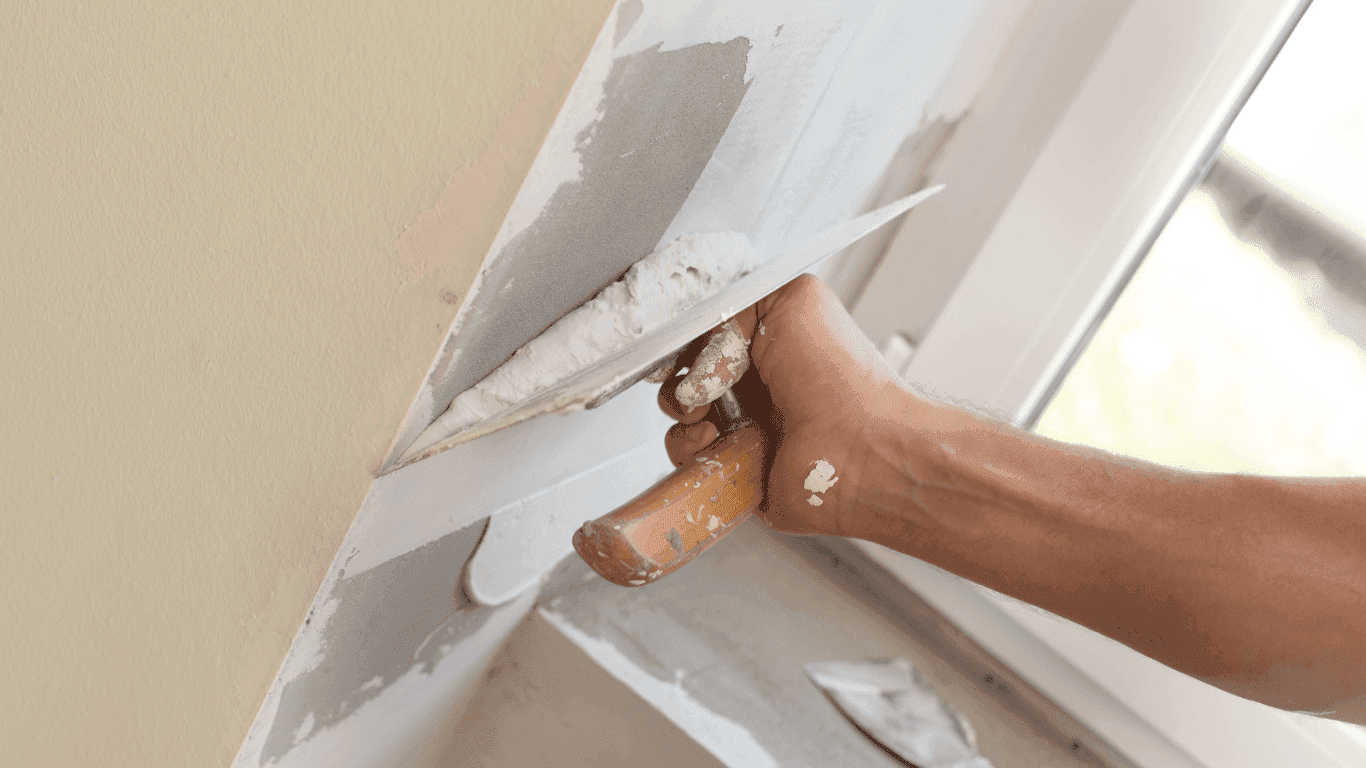
Internal room replasters and skims
Lounges, kitchens, hallways and bedrooms, whether that is one wall after a damp repair or a full room strip-back.
Ceiling replacement and repair
Water-damaged ceilings, sagging plasterboard, and Artex removal followed by a proper skim finish.
External wall rendering
New render, re-rendering of tired or cracked elevations, and full weatherproofing ahead of winter.
Damp-affected wall repair
Replastering after damp treatment, using the right materials so the problem does not simply reappear behind fresh paint.
Period and listed property restoration
Lime plaster and lime render for solid-wall Victorian and stone-built homes across Chesterfield and the surrounding villages.
New-build and renovation plastering
First-fix plastering on extensions and new builds, and snagging work once the rest of the trades are through.
Local Coverage
Areas We Cover Around Chesterfield
Based in Old Whittington, we are on your doorstep across Chesterfield and the surrounding villages, from Victorian terraces to newer estates. Find your local page below.
Quick answer
What plaster do you use for period and listed properties in Chesterfield?
For period, stone-built and listed properties, including older housing in Old Whittington, Brampton and the town centre, we use lime plaster and lime render rather than modern cement-based products. Lime is breathable, so moisture can move through solid walls instead of getting trapped behind a hard finish, which is often what causes damp and blown plaster in older buildings.
Common Questions
Plastering & Rendering FAQs, Chesterfield
How much does plastering cost in Chesterfield?
Cost depends on the size of the job, whether it is a skim or a full two-coat replaster, and whether any damp or wall repair is needed first. The fastest way to get an accurate figure is a free, no-obligation quote, we visit the property, assess the walls, and give you a straight price rather than a vague estimate over the phone.
How long does plaster take to dry before I can paint it?
As a general guide, fresh plaster needs about a week per coat of thickness to fully dry before it can be painted with a standard emulsion, though this varies with room temperature, ventilation and the time of year. A mist coat of diluted emulsion can usually go on sooner to seal the surface. We give you a realistic drying time for your specific job rather than a generic figure, because a small bathroom patch and a full living room replaster do not dry at the same rate.
Do you offer free quotes for plastering work in Chesterfield?
Yes. We visit the property, look at what needs doing, and give you a free, no-obligation quote, usually the same day. Get in touch through the form on this page or call us directly.
What is the difference between skimming and a full replaster?
Skimming applies a fresh finish coat over plasterboard or existing plaster that is structurally sound, giving a smooth, like-new wall without stripping anything back. A full replaster removes the old, damaged or blown plaster first and rebuilds the wall with a backing coat plus a skim finish. If the wall underneath is solid, skimming is quicker and less disruptive. If it is cracked, hollow-sounding or damp-affected, a full replaster is the only lasting fix.
How do I know if my walls need replastering rather than skimming?
Tap the wall. If it sounds hollow, or the plaster is soft, crumbly, visibly cracked, or bulging away from the surface, skimming over it will not last, the new coat needs something sound to bond to. Damp staining, flaking paint that will not stay put, and plaster that has come away from the wall in patches are all signs a full replaster is needed rather than a skim. We will tell you honestly which one your walls actually need when we survey the job.
What plaster do you use for period and listed properties in Chesterfield?
For period, stone-built and listed properties around Chesterfield, including older housing in Old Whittington, Brampton and the town centre, we use lime plaster and lime render rather than modern cement-based products. Lime is breathable, so moisture can move through solid walls instead of getting trapped behind a hard finish, which is often what causes damp and blown plaster in older buildings that have been repaired with the wrong materials in the past.
Can render be applied in winter or wet weather?
Render needs a minimum temperature to cure properly and should not be applied in frost, driving rain, or when temperatures are due to drop overnight before it has set. In Derbyshire's climate that means external rendering is largely a spring-through-autumn job, though short dry, mild spells in winter can work for smaller areas. We check the forecast before booking exterior work in and give you an honest answer if conditions mean waiting a few weeks is the better call.
How long does external rendering take to complete?
A single elevation typically takes a few days including preparation, base coat and finish coat, with drying time between coats. A full house re-render is usually a one to two week job depending on size, scaffolding access and weather. We give you a firm timeline as part of your quote.
Do you repair cracked or damaged plaster before finishing?
Yes, always. Skimming or rendering straight over cracks, damp patches or loose material just hides the problem for a few months before it reappears. We repair or strip back damaged areas as part of the job so the finish actually lasts.
What causes plaster to crack, and can it be prevented?
Common causes include the building settling, plaster drying too fast (often from applying it too thick or in a poorly ventilated room), damp behind the surface, or the wrong plaster mix for the substrate. Using the correct backing coat, proper drying time between coats and the right materials for the wall type prevents most cracking. If a wall keeps cracking in the same spot, that usually points to movement or damp that needs addressing before replastering, not just another skim coat.
Do you provide damp proofing alongside plastering?
Yes. We offer damp proof membranes, chemical damp proof course injection, salt-neutralising renders and cellar tanking, and we treat the cause of damp before any new plaster goes on. Plastering over an untreated damp problem only buys a few months before it comes back through the new finish.
How do I identify rising damp versus condensation?
Rising damp usually shows as staining or a tide mark low down on the wall, often with crumbling plaster or a musty smell, and tends to get worse near ground level. Condensation typically appears higher up, on cold surfaces like external corners, above windows, or in bathrooms and kitchens with poor ventilation, and comes and goes with the weather and how the room is used. The two need completely different fixes, so if you are not sure which one you are dealing with, it is worth having it looked at before any replastering work goes ahead.
Are you insured and do you guarantee your work?
Yes. G Lee Plastering has been trading in Chesterfield for over 30 years, and we stand behind the work we do. Ask us about cover and guarantees directly when you get your quote.
Do you work on new-build properties as well as renovations?
Yes, we cover first-fix plastering on new builds and extensions as well as replastering, skimming and repair work on existing homes.
What areas around Chesterfield do you cover?
We are based in Old Whittington and cover Chesterfield town centre plus the surrounding areas including Brampton, Newbold, Hasland, Wingerworth, Brimington, Tapton and Walton, along with wider Derbyshire and Sheffield and South Yorkshire.
How much notice do you need to book a plastering job?
It varies with the season and job size, smaller jobs can often be fitted in quickly, larger replasters and external render work benefit from more lead time, especially in the busier spring and summer months. Get in touch as early as you can and we will give you a realistic start date.
Can you match existing texture or finish when patching a wall?
Yes, when we are patching a section of an existing wall rather than doing the whole room, we match the surrounding finish so the repair blends in rather than standing out under paint or light.
Do you offer ceiling replastering?
Yes, including full ceiling replacement after water damage or sagging plasterboard, and Artex removal followed by a proper skim finish.
How messy is a plastering job, and do you protect furniture and flooring?
Plastering is a wet trade and does produce dust and debris, particularly when stripping back old material. We cover floors and furniture before starting and clear dust sheets and waste away at the end of the job, so you are not left to deal with the clean-up.
Get Your Free Plastering Quote in Chesterfield
Over 30 years plastering, rendering and damp proofing homes across Chesterfield, Derbyshire. Local, straightforward, and no pressure.