
Professional Damp Proofing
Damp Proofing in Derbyshire
From solid stone cottages to modern estates, we diagnose and treat damp across Derbyshire with 30+ years of trade experience.
Beyond Chesterfield, we carry out damp proofing right across Derbyshire, from the market towns of Matlock and Bakewell to villages towards Clay Cross, Wingerworth and the wider Amber Valley. A lot of this housing stock is very different to a typical town-centre terrace: solid stone walls built with lime mortar, no cavity, and often standing exposed on higher, more open ground where wind-driven rain hits harder. That combination means penetrating damp through cracked or weathered pointing is at least as common out here as rising damp, and treating it properly means understanding how a lime-built wall is supposed to behave, not just reaching for the same chemical DPC every time.
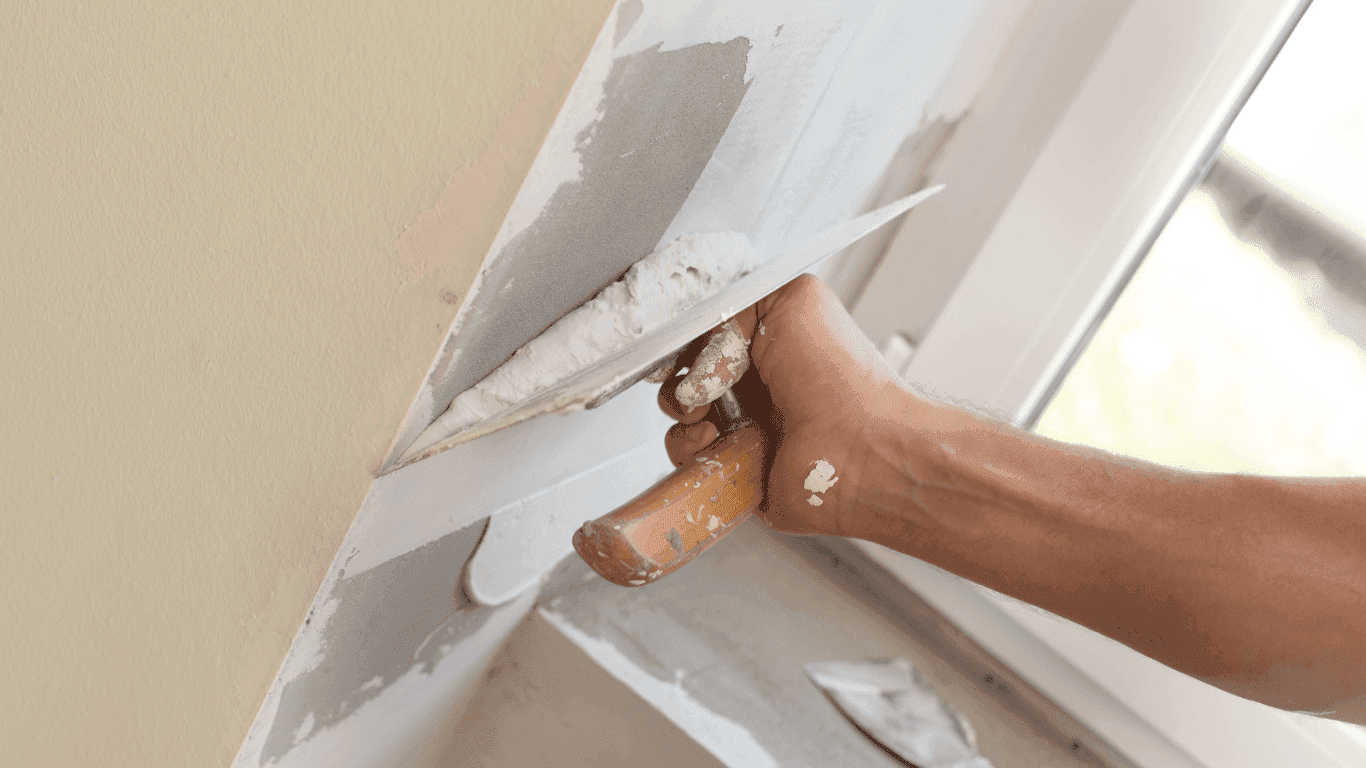
Older and listed stone properties in particular need breathable lime plaster and render systems rather than modern cement-based products, which can trap moisture in the wall and make problems worse over a few winters. As lime plastering specialists ourselves, this is exactly the kind of job we're set up for: an accurate survey to establish whether it's rising damp, penetrating damp or condensation, a treatment plan that respects the building's original construction, and a proper lime or standard replaster once the damp itself has been dealt with.
Signs of Damp in Derbyshire Stone Properties
- Soft or crumbly mortar joints that have weathered over years of exposure on gable ends and elevated walls.
- Blown lime plaster that sounds hollow or has separated from the stone behind it.
- Damp patches that shift with the weather, worsening noticeably after heavy or driving rain.
- Musty smells in ground-floor rooms, particularly in older farmhouses and barn conversions.
Our Damp Proofing Process
01.
Survey
We assess wall construction, whether solid stone or cavity, plus pointing, render and ground levels.
02.
Diagnose
We confirm rising damp, penetrating damp or condensation, factoring in exposure and building age.
03.
Treat
Chemical DPC, repointing or breathable lime systems, chosen to suit the building rather than a default fix.
04.
Replaster
Standard or lime plastering to finish, matched to the property's construction and age.
Why Rural Derbyshire Trusts Us
- Lime plastering specialists: the right skill set for period stone cottages, farmhouses and listed buildings.
- Building-matched treatment:we don't default to cement-based fixes on solid stone walls that need to breathe.
- Wide coverage: Matlock, Bakewell, Clay Cross, Wingerworth, Ashover and the villages in between.
- Full guarantee on every damp proofing job, rural or town-centre.
Damp Proofing Across Derbyshire
We cover the whole of Derbyshire out from our Chesterfield base, including Matlock, Bakewell, Clay Cross, Wingerworth, Ashover and Wirksworth, alongside our core service areas:
Damp Proofing FAQs, Derbyshire
Are stone-built cottages in Peak District villages harder to damp proof?
They need a bit more thought, yes. A lot of villages towards Matlock, Bakewell and the Peak District fringe are built from solid stone with lime mortar and no cavity, so there's no gap to stop water travelling straight through the wall. We factor the wall build-up into the survey and recommend treatments that suit solid stone construction rather than assuming a standard cavity-wall approach will work.
What's the difference between damp proofing a modern house and a period stone cottage?
A modern cavity-wall house usually only needs a straightforward chemical DPC injection if the original course has failed. A period stone cottage is solid wall, often with lime mortar that needs to breathe, so cement-based renders or gypsum plaster can trap moisture in the wall and make damp worse rather than better. We treat these properties with breathable materials suited to solid stone construction.
Should listed buildings in Matlock or Bakewell use lime plaster instead of cement?
In most cases, yes. Lime plaster and lime render let moisture evaporate out of the wall rather than trapping it behind an impermeable layer, which is exactly what older stone buildings in Matlock, Bakewell and similar Derbyshire towns need. It's also often required or strongly recommended on listed buildings for exactly this reason. We carry out lime plastering as part of our regular work, so it's straightforward to combine with a damp treatment.
Does exposed, elevated countryside increase penetrating damp risk?
It can, particularly on properties higher up towards the Peak District where wind-driven rain hits gable ends and exposed elevations harder than it would in a sheltered valley or town centre street. Combined with older pointing and lime mortar that's had decades to weather, that's a common cause of penetrating damp in rural Derbyshire homes.
How do you treat damp in solid stone walls with no cavity?
Depending on what the survey finds, that might mean repointing with a suitable lime mortar, installing a chemical DPC where rising damp is confirmed, or applying a breathable lime render or plaster system rather than sealing the wall with modern cement-based products, which tend to fail on solid stone over time.
Can damp proofing be carried out on a farmhouse or barn conversion?
Yes. Farmhouses and barn conversions across rural Derbyshire, around Clay Cross, Wingerworth and further out, come with their own quirks, thick solid walls, mixed construction from different eras, and sometimes ground levels that have built up against the wall over time. We survey each one individually rather than applying a blanket approach.
Do you travel to villages across Derbyshire outside Chesterfield?
Yes, we cover the wider county from our base in Old Whittington, including Matlock, Bakewell, Clay Cross, Wingerworth, Ashover and the surrounding villages, alongside our core Chesterfield, Dronfield and Sheffield work.
What are the signs of damp in an old lime-mortar building?
Look out for soft, crumbly mortar joints, plaster that's blown or come away from the wall, damp patches that seem to move around with the weather, and a musty smell that's worse after heavy rain. Because these buildings are meant to breathe, damp often behaves differently to a modern brick-and-cavity house, which is why an experienced eye matters.
How soon can you carry out a damp survey across Derbyshire?
We aim to get out to survey rural and village properties promptly, though exact timing depends on our current workload. Get in touch and we'll give you a realistic date, then a free quote once we've seen the property.
Is damp proofing covered by a guarantee for rural Derbyshire properties?
Yes, every damp proofing job we complete, whether it's a modern semi in Clay Cross or a stone cottage near Bakewell, comes with a full guarantee.
Contact G Lee Plastering Today
For damp proofing anywhere across Derbyshire, call 01246 460 078 or email gleeplastering@gmail.com.
Call Now